

On May 14, at 7 pm Tbilisi time, the biweekly research colloquium of the Institute for Social and Cultural Research, Ilia State University, will host Samuel Baur with a talk on his research: “Revolutionary Nations – Socialism and National Independence in Georgia and Ukraine (1880–1930)”.
Abstract:
The revolutionary dynamic that brought about the collapse of Tsarist rule resulted in the establishment of several new nation states in Eastern Europe. In Georgia and Ukraine, however, the path to national independence differed significantly from the traditional, teleological model of nation-state formation that dominates national historiographies: Rather than being the culmination of long-standing political projects, independence in Georgia and Ukraine occurred as the result of situational necessities created by the First World War and the Bolshevik coup. Moreover, both the path to independence and the politics of the newly founded states were dominated by the political left.
The presentation aims to open a discussion on whether the framework of ‘revolutionary nations’ is a suitable lens through which to view the revolutionary history of Georgia and Ukraine. The research project examines why socialists in both countries ultimately abandoned earlier strategies aimed at renegotiating and democratising the empire and how nationality and the nation state were integrated into socialist political thought.
Bio:
Samuel Baur studied History, Political Science and Digital Humanities at the University of Munich. His research interests comprise the modern history of Central and Eastern Europe, with a particular focus on nationalism and nationality studies and intellectual history. In his PhD project, which he began in 2026, Baur is examining the synergies and tensions between socialism and national emancipation that shaped the revolutions and brief periods of independence in Georgia and Ukraine following the First World War.
The event will take place in English via Zoom. Registration is required.
To register please follow this link.
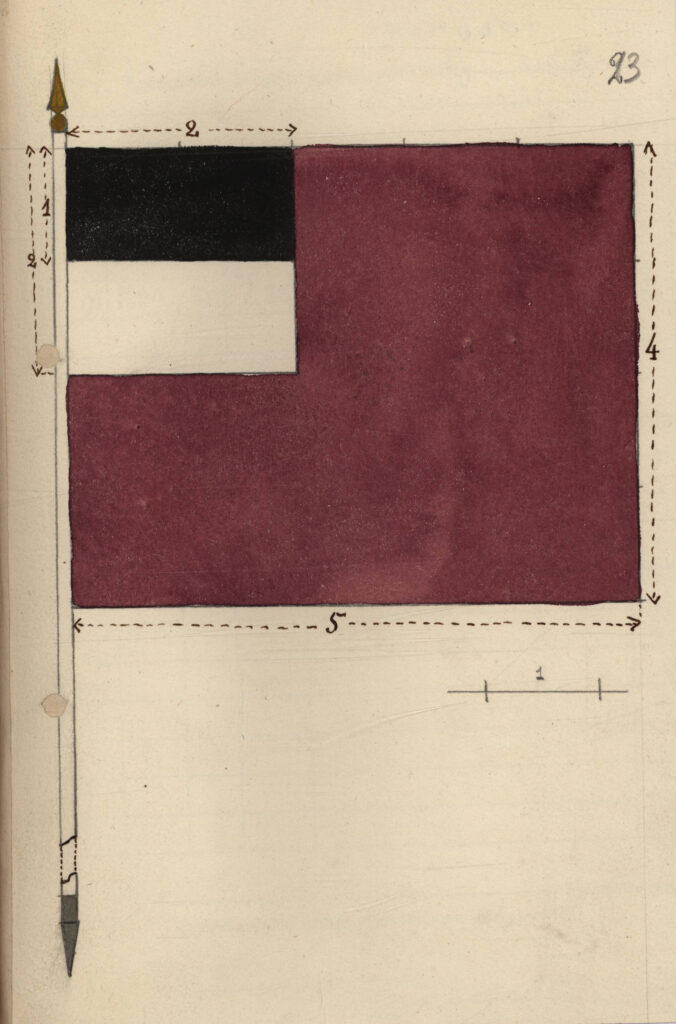
Photo: Georgian National Agency for Cultural Heritage Preservation.